
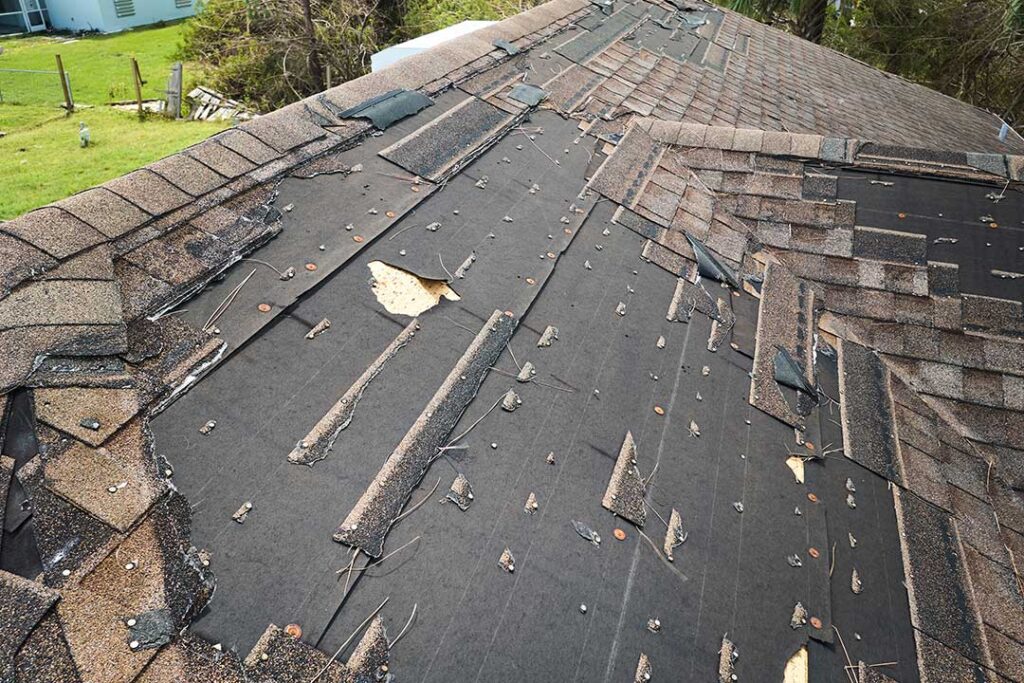
Roof warranties can sound straightforward—“25 years,” “lifetime,” or “workmanship guaranteed”—but those phrases rarely tell the whole story. A roof warranty may cover materials, installation defects, or both, and each type has different exclusions, claim procedures, and time limits.
For homeowners in Clinton, NY, understanding those distinctions is especially useful because roofing systems must handle snow, ice, freeze-thaw cycles, wind, moisture, and seasonal maintenance concerns.
What does a roof warranty actually cover?
A roof warranty is a written promise that certain roofing materials or installation work will meet stated standards for a defined period. It does not automatically guarantee that the roof will never leak or that every repair will be free.
Most roofing coverage falls into two categories:
- Manufacturer’s material warranty: Covers defects in shingles, membranes, underlayment, or other roofing products.
- Installer’s workmanship warranty: Covers mistakes in installation, such as improper fastening, flashing errors, or incorrect placement of roofing components.
These warranties may be issued by different parties. A manufacturer generally addresses product defects, while the installer is usually responsible for workmanship concerns. A written warranty should explain who receives the claim and who performs the repair.
The word “lifetime” also requires careful reading. In many roofing warranties, it refers to the expected service life of the product while the original owner occupies the home—not an unlimited promise that lasts forever.
What is the difference between a material warranty and a workmanship warranty?
A material warranty addresses the roofing product itself. If shingles crack, blister, or fail prematurely because of a manufacturing defect, the manufacturer may provide replacement materials or another remedy described in the warranty.
A workmanship warranty addresses how the roof was installed. If water enters because flashing was installed incorrectly or roofing materials were fastened improperly, that issue may fall under installation coverage rather than the manufacturer’s warranty.
Neither warranty necessarily covers:
- Damage from falling branches, severe weather, or impact
- Poor attic ventilation
- Ice dams or snow-related water intrusion
- Structural movement or settling
- Condensation caused by indoor humidity
- Damage from animals, foot traffic, or unauthorized alterations
- Pre-existing problems in the roof deck or supporting structure
- Normal aging, moss, algae, or cosmetic changes
The exact exclusions depend on the written terms. If a condition is not clearly included, it should not be assumed to be covered.
Does a roof warranty cover leaks?
A leak may be covered, but the cause matters more than the symptom. A warranty may respond when the leak results from a covered manufacturing defect or installation error. It may not cover a leak caused by storm damage, deteriorated flashing, clogged drainage, ice buildup, or neglected maintenance.
In a snowy climate, water intrusion can also occur when ice forms along eaves and prevents melting snow from draining normally. That situation may be treated differently from a defective roofing product. A warranty document may specifically exclude ice dams, weather events, inadequate ventilation, or conditions outside the installer’s control.
Homeowners should document the location of a leak, the date it appeared, recent weather, visible interior damage, and any temporary steps taken to limit further water entry. Photographs and written records can help establish a timeline.
What does a roof warranty usually require from the homeowner?
Many warranties require reasonable care and maintenance. That does not mean a homeowner must perform dangerous roof work personally. It generally means the property should not be neglected and that known problems should be addressed promptly.
Common requirements may include:
- Keeping gutters and drainage paths reasonably clear
- Preventing avoidable damage from attached equipment or alterations
- Maintaining adequate attic ventilation where required
- Not allowing unauthorized repairs to interfere with the roofing system
- Notifying the responsible party within a stated period after discovering a problem
- Keeping proof of purchase, installation records, and warranty documents
The Federal Trade Commission advises consumers to keep copies of written warranties, receipts, and records of communications. It also distinguishes product warranties from service contracts, which may charge fees and provide narrower repair coverage. ([consumer.ftc.gov](https://consumer.ftc.gov/articles/warranties?utm_source=openai))
Can a warranty be voided by another contractor or by roof maintenance?
Not automatically. Warranty language matters, and broad claims that any outside repair instantly voids every warranty should be examined carefully.
A warranty may exclude damage caused by unauthorized alterations or repairs. It may also require the homeowner to use specified procedures when adding vents, satellite equipment, solar components, or other roof penetrations. However, the warranty should identify the relevant limitations in writing.
Routine maintenance, such as gutter cleaning or inspection after a major storm, is not the same as replacing roofing materials. Keep invoices, photographs, inspection notes, and descriptions of work performed. Good documentation can help show that a later problem was not caused by neglect or an unrelated alteration.
What should homeowners look for before accepting a roofing warranty?
A useful warranty is one that can be understood and used—not simply one with the longest number of years. Review these points before signing a roofing contract or accepting completed work:
- Who issues the warranty?
- Is the coverage for materials, workmanship, or both?
- When does coverage begin?
- Is the remedy repair, replacement materials, labor, or a prorated payment?
- Are labor and disposal costs included?
- Are flashing, ventilation, underlayment, and accessories covered?
- What weather-related exclusions apply?
- Is the warranty transferable if the home is sold?
- Is transfer allowed only once or within a limited period?
- What maintenance records must be kept?
- How must a claim be submitted?
- Is there a deductible, inspection fee, or other charge?
- What dispute-resolution process applies?
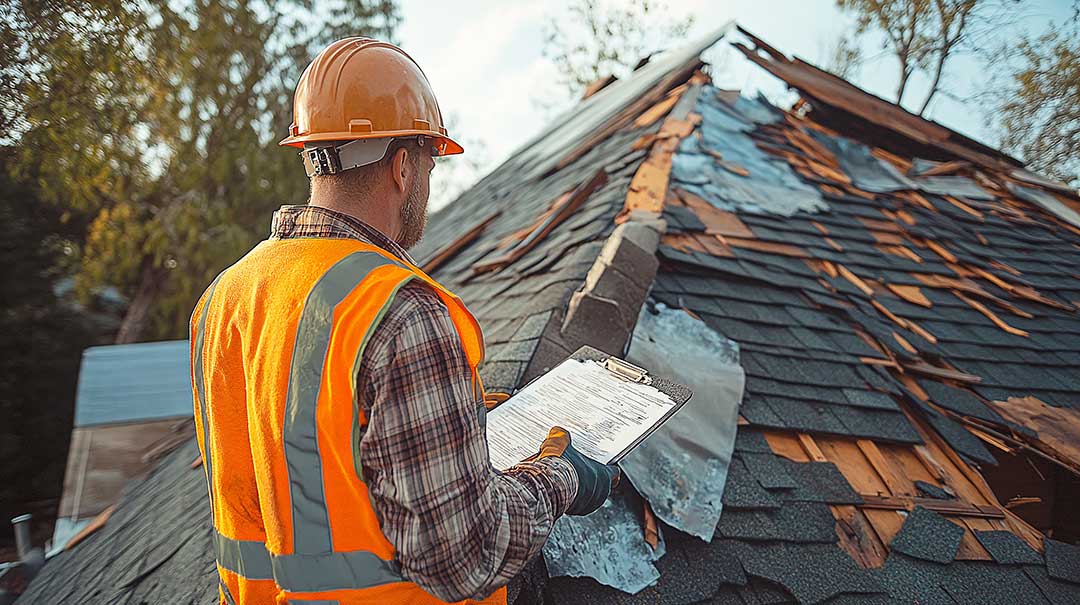
A “50-year” material warranty may provide only partial value after a certain number of years. Some warranties reduce reimbursement over time, while others cover materials but not labor. These financial details can matter more than the headline duration.
Does homeowners insurance replace a roof warranty?
No. Insurance and warranties serve different purposes.
A roof warranty generally addresses covered product defects or installation problems. Homeowners insurance typically addresses sudden damage caused by covered events, such as certain wind, hail, fire, or falling-object losses. Insurance generally does not function as a maintenance plan for an aging roof.
The National Association of Insurance Commissioners explains that homeowners insurance is not a maintenance contract and that owners remain responsible for ordinary upkeep and deterioration. ([content.naic.org](https://content.naic.org/sites/default/files/publication-hoi-pp-consumer-homeowners.pdf?utm_source=openai))
For example, a storm-damaged roof may involve an insurance claim, while shingles that fail because of a manufacturing defect may involve a manufacturer’s warranty. In some cases, more than one coverage question exists, but the policies should not be treated as interchangeable.
What should a homeowner do when a warranty problem appears?
Start by protecting the home from additional damage without making permanent repairs that could complicate the inspection. Place containers under active drips, move vulnerable belongings, and use temporary protection only when it can be done safely.
Then:
- Locate the warranty and installation documents.
- Photograph interior and exterior conditions.
- Record when the problem was discovered.
- Note recent snow, wind, ice, or heavy rainfall.
- Notify the appropriate warranty provider in writing.
- Keep copies of every email, letter, photograph, invoice, and inspection report.
- Avoid signing a release or accepting a settlement before understanding what it covers.
If a claim is denied, request the reason in writing and ask which specific warranty provision supports the decision. The FTC recommends maintaining written records and following the warranty’s stated claim process. ([consumer.ftc.gov](https://consumer.ftc.gov/articles/warranties-new-homes?utm_source=openai))
A roof warranty is most useful when its promises, exclusions, and claim procedures are understood before a problem occurs. For area households, keeping the warranty with other home records and reviewing it before winter weather can prevent confusion when roof damage or water intrusion needs prompt attention.
