
How Can Seasonal Weather in Clinton, NY Affect a Roof?
Roofs in Clinton, NY deal with distinct seasonal patterns that challenge their longevity and performance. Winters bring snow, ice, and fluctuating freeze-thaw cycles, while summers deliver heat, rain, and occasional windstorms. Each season's unique weather stresses can weaken roofing materials, shorten a roof’s lifespan, and contribute to leaks or other issues.
What Does Snow and Ice Do to Roofs During Clinton Winters?
Heavy snow loads and recurring ice dams are widespread concerns for area households. Snow accumulation adds significant weight, especially on older structures or homes without proper attic insulation. When snow melts during the day and refreezes overnight, it causes ice dams—thick ridges of ice along roof edges.
Ice dams prevent melting snow from draining, allowing water to seep beneath shingles or flashing. This moisture can damage the roof deck or leak into living spaces. Common misconceptions include assuming all homes are safe from ice dams if the attic appears dry; in reality, poor ventilation or insulation can silently contribute to recurring problems year after year.
Regular removal of built-up snow with a roof rake (from the ground) may help. Staying aware of attic insulation and ventilation is more effective than relying on short-term fixes.
How Do Freeze-Thaw Cycles Create Roofing Issues?
Clinton’s winter temperatures often rise above and then drop below freezing over a short period. This cycle allows snow to melt and seep into tiny cracks or under roofing materials, only to refreeze when temperatures fall. Repeated expansion and contraction due to this freeze-thaw pattern can:
- Loosen shingles or tiles
- Widen existing cracks and splits
- Degrade flashing seals
In areas where these events are common, even a well-built roof can develop hidden vulnerabilities. Ongoing vigilance—especially after especially cold or icy spells—helps catch minor issues before they escalate.
Does Summer Sun and Heat Damage Roofs in the City?
Summer months in the community bring long days and direct sunlight. While not as scorching as some regions, Clinton’s summer sun can still bake many roof surfaces, especially on darker shingles or older materials. Extended UV exposure leads to:
- Brittleness or curling in asphalt shingles
- Fading of color or loss of protective granules
- Drying and cracking of sealants around vents and chimneys
Residents often overlook that attic temperatures can soar much higher than the outside air. Inadequate ventilation allows trapped heat to speed up the aging of roofing materials, making regular checks in late summer or early fall a smart seasonal habit.
How Do Rain and Windstorms Affect Roof Vulnerability?
Throughout the year, Clinton experiences heavy rainstorms and significant wind gusts. Wind-driven rain tests the integrity of every seam, intersection, and flashing detail on a roof. Common issues from this local weather include:
- Water intrusion along poorly sealed joints
- Shingle uplift or removal, especially as roofs age
- Clogged gutters spilling water onto siding or foundations
While the urge to focus only on shingle condition is normal, many roof leaks start around unsecured flashing, popped nails, or debris-clogged drainage pathways. Windstorms can also shift tree limbs or create sudden impacts, which may go unnoticed unless specifically checked for afterward.
What Role Does Humidity and Moisture Play in Roof Health?
Clinton’s moderate-to-high seasonal humidity influences roofs in subtler ways than storms or snow. Persistent moisture encourages the growth of moss, algae, and lichen on shaded or north-facing roof slopes. This can:
- Trap water against the roof surface
- Accelerate material wear or rot in wood structures
- Contribute to visible staining or patchy dark growth
A common misconception is that such growth is merely cosmetic. Over time, moss and lichen can lift shingles, retain dampness, and worsen underlying weaknesses.
Are Some Roofing Materials Better at Handling Local Weather Than Others?
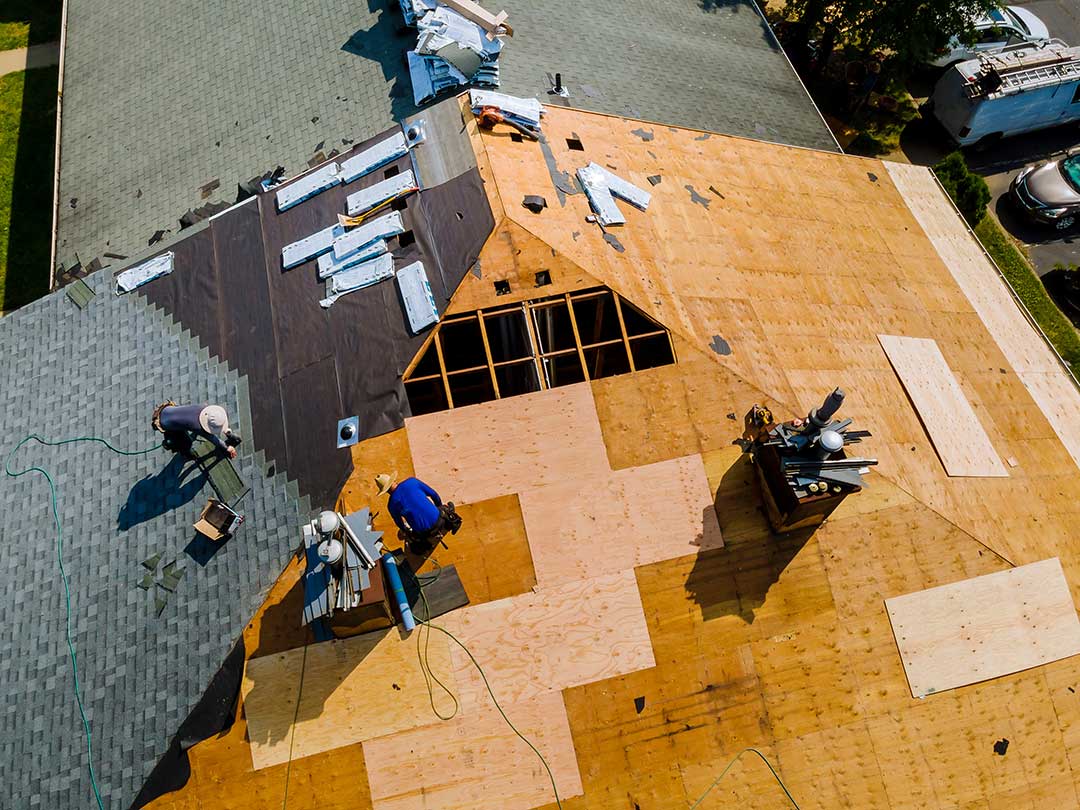
No single roofing type is impervious to all weather challenges found in Clinton; however, some materials cope better with specific local stresses. For example:
- Metal roofing resists snow accumulation and ice damming but requires vigilance against denting from hail or falling branches.
- Architectural shingles generally provide good resistance to wind uplift compared to standard 3-tab shingles.
- Slate, common on some historic homes, handles freeze-thaw cycles well but can become brittle over decades.
Each home's age, roof slope, and attic conditions play an equal role in long-term durability as the choice of material.
What Can Residents Do to Reduce Weather Impacts on Their Roof?
Routine attention rather than emergency response does more to extend a roof’s life. Helpful habits for local homeowners include:
- Clearing gutters and drains in late fall to minimize winter ice dams and spring overflows
- Watching for shingle displacement or granule loss after both windstorms and extended sun
- Checking for dark streaks or moss in shaded areas, addressing growth early
- Inspecting attic ventilation to ensure warm air can escape during both summer and winter
Major repairs or issues involving ladders and electrical hazards should be left to qualified professionals, especially where safety or building codes are involved.
What Missteps Do Homeowners Commonly Make with Weather-Related Roof Issues?
It’s easy to underestimate risks or overlook gradual damage. Frequently seen missteps in the region include:
- Ignoring minor water stains indoors, which may signal slow roof leaks
- Delaying snow removal after unusually heavy storms
- Using power washers to remove moss, which can strip protective surface layers
- Assuming new roofs are “set and forget”; even recent installations need monitoring for debris and drainage
Recognizing these points helps households in Clinton stay better prepared and maintain a roof ready for the full variety of seasonal weather.
