
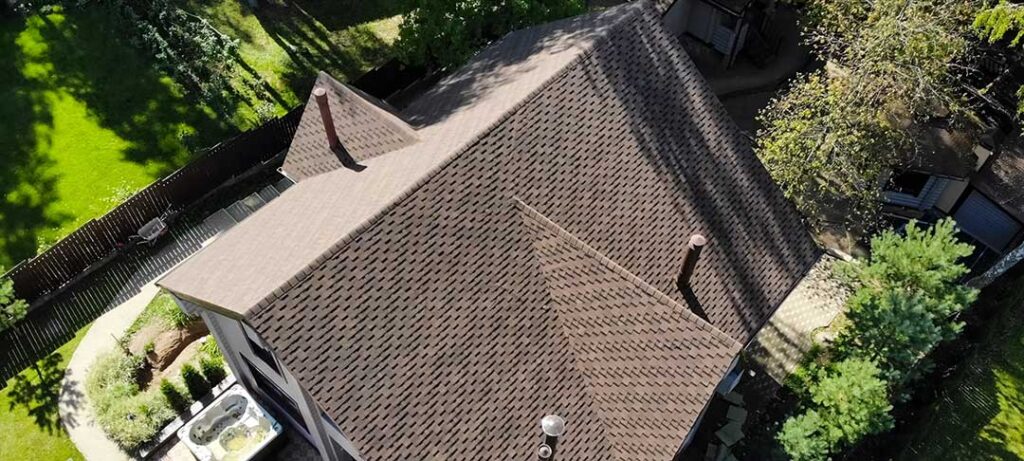
Why Should You Clean Your Roof in Clinton, NY?
Regular roof cleaning helps prevent moss, algae, and debris buildup, which are common issues for local homeowners due to the area’s seasonal moisture and tree cover. Keeping a roof clean can also prolong its lifespan and maintain curb appeal, which is especially valued in Clinton’s historic neighborhoods.
In the city, roofs often experience an autumn blanket of leaves, spring pollen, and the occasional moss patch along shady eaves. Allowing these to accumulate can trap moisture, leading to rot or shingle damage—problems that are harder (and costlier) to fix down the road.
What’s the Safest Way to Get Started?
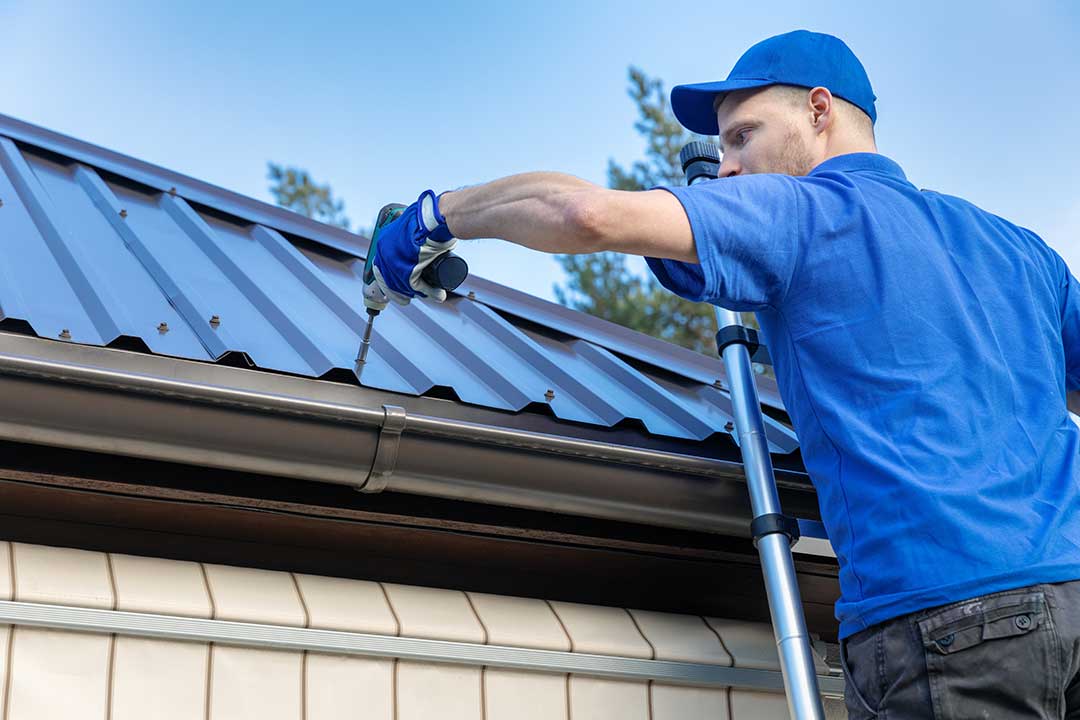
Before beginning, plan for safe access and sensible precautions. The safest approach uses a sturdy ladder, ideally on level ground, and never attempts to walk on a wet or mossy roof. Clean the roof in mild, dry weather—late spring and early fall are typically best for this purpose in the local climate.
Personal protective equipment matters, especially gloves and sturdy shoes with non-slip soles. Protective eyewear keeps debris and cleaning agents out of your eyes.
If your roof is steep, high, or shows signs of damage, it’s safest to remain on the ground and use specialized tools designed to reach from below. Never attempt cleaning in icy, windy, or stormy weather, which can be unpredictable in Clinton.
What Supplies Should You Use?
Choose gentle, roof-safe cleaning products, as harsh chemicals and high-pressure water can damage shingles and runoff may impact nearby gardens or streams. In Clinton, asphalt shingles are common, and most respond best to simple cleaning methods:
- Soft-bristled brushes or a long-handled broom (avoid wire brushes, which can remove granules)
- Garden hose with a spray nozzle (never a pressure washer on full power)
- Mild, biodegradable cleaners labeled safe for roofing materials
- Buckets, gloves, and old clothes
Many local residents have found success mixing one part water with one part white vinegar as a homemade solution for small moss or algae patches. However, always test any cleaner on a small area first.
How to Remove Leaves and Debris Safely
Begin with a gentle sweep, clearing loose leaf litter, twigs, and pine needles. In Clinton, fall cleanup may be required more than once a season. Clear gutters as well to prevent water backup. Use these steps:
1. Secure your ladder and enlist someone to steady it if possible.
2. Use a roof rake, leaf blower (on a low setting), or soft brush to move debris downward, never upward or sideways.
3. Gather debris by hand or with a plastic scoop near the gutters.
4. Avoid compacting moss or litter by dragging it across shingles.
Be careful not to dislodge roofing material or push debris into drains, skylights, or roof vents.
How Should You Remove Moss and Algae?
Moss and algae thrive in the city’s humid summers and shaded roof sections near large maples or evergreens. Addressing these growths early makes cleaning easier and prevents damage.
For light growth:
- Apply a mild cleaning solution and let it soak for 15–20 minutes.
- Gently scrub with a soft brush in downward strokes.
- Rinse with a garden hose. Avoid saturating the roof, focusing on affected areas.
Heavier infestations may need a second application after a few dry days. Refrain from scraping or using metal tools, which can gouge shingles.
A common misconception is that bleach solutions are best for moss removal. While bleach can kill moss, it also harms landscaping and may degrade roofing materials over time. Stick with less aggressive cleaners unless dealing with a severe problem that other methods do not address.
What Mistakes Should You Avoid?
Many area households are tempted to use pressure washers or power washers, but these tools can strip protective granules from shingles and force water under the roof layers. Avoid:
- Walking on the roof unnecessarily, especially in damp or icy conditions.
- Using undiluted chemicals or bleach.
- Ignoring gutter maintenance, as full gutters can quickly lead to leaks after cleaning.
- Starting without the weather on your side—wind and rain can increase fall risk and spread cleaning residue.
Missteps like using high-pressure tools may void manufacturer warranties or cause premature roof failure, so err on the side of caution.
How Often Should Clinton Residents Clean Their Roofs?
Twice yearly cleaning—once in late spring after pollen season and again in late autumn after leaf fall—addresses most local needs. In shaded areas or homes under overhanging trees, consider a brief midseason check for moss and debris.
Signs your roof needs interim attention include visible green or black streaks (algae), thick moss, or water overflows at the gutters during rain.
What Local Factors Affect Roof Cleaning?
Clinton’s climate brings frequent freeze-thaw cycles in winter and abundant leaf fall in autumn, raising unique cleaning challenges. Heavy snowfall can mat debris against shingles, which may only become apparent during spring melt.
Because many city homes are older and have mature trees, downspouts and gutters often require extra vigilance. Squirrels, birds, or nesting insects occasionally cause blockages that mimic roof leaks. Checking roof vents and flashing at the same time as cleaning often avoids surprises during storm season.
What If You See Roof Damage While Cleaning?
If you notice loose, curling, or missing shingles; soft spots; extensive moss; or leaks while cleaning, stop and assess from a safe vantage. For small issues like minor shingle lift, gently note the area and avoid disturbing it further.
Larger damages, structural concerns, or signs of water intrusion inside the attic or living space are best evaluated by someone with proper safety equipment or training, as climbing onto an unstable roof is hazardous.
