

What Should Clinton, NY Residents Know Before Checking Their Roof?
Anyone considering do-it-yourself roof maintenance should start by understanding both the typical roofing materials and the climate conditions in Clinton, NY. The area’s climate brings cold, snowy winters and wet springs, which means roofs can experience ice damming, freeze-thaw cycles, wind damage, and moss or algae growth. Most local homes feature asphalt shingles, with some featuring slate or metal due to the region’s older housing stock.
Before stepping onto a roof, always use a sturdy ladder set on level ground and have someone nearby if possible. Avoid climbing roofs in wet, icy, or excessively windy weather.
How Often Should a Homeowner Inspect Their Own Roof?
Brief roof inspections are most useful during spring and fall. In Clinton, after snow melts in early spring, check for winter-related damage like missing shingles or ice dam marks. In autumn, inspect after the leaves have finished falling, since clogged gutters or roof valleys can result from local maple and oak trees.
Looking from the ground with binoculars is safest for a first check. If a closer inspection is needed, walk the roof only if it is dry, low-pitched, and clear of debris.
What Signs of Damage Should Be Watched For?
Here are the most common indicators that Clinton residents may notice:
- Missing, cracked, or curling shingles, especially after storms or freeze-thaw events
- Granules collecting in gutters—suggests asphalt shingle wear
- Moss, algae, or lichen growth—especially on shaded sides of roofs due to regional humidity
- Dented, rusted, or loose flashing around chimneys or vent pipes
- Sagging, soft, or dark patches that may indicate trapped moisture or rot
Most issues can be spotted without climbing the roof. Investigate attic spaces for leaks, water stains, or sunlight shining through boards as another sign of exterior problems.
Is it Safe to Remove Moss or Algae by Yourself?
Light moss or algae can often be cleaned with a gentle approach. In Clinton’s shaded, moist neighborhoods, this growth is common. Do not use a pressure washer—this can dislodge shingles or force water beneath them.
Instead, clear light growth with:
- A soft-bristled brush (never wire) to gently scrape moss downward, working parallel to shingle lines
- A solution of half water and half white vinegar in a garden sprayer, rinsed off with a hose (not at high pressure)
Take care by standing securely on a dry surface. Never lean far over roof edges or overreach.
How Should Homeowners Clean Gutters Safely?
Clinton’s abundant trees mean most households need to clear gutters every fall. Clogged gutters and downspouts cause overflow, ice dams, and roof leaks.
Safest practices for gutter cleaning:
- Work from a steady ladder, not from the rooftop
- Wear gloves to scoop out leaves, pine needles, and debris
- Use a hose to flush out remaining dirt, checking for good drainage
- Inspect gutter seams, brackets, and downspout connections for leaks or looseness
For houses with two or more stories, cleaning from the ground with a hose attachment or gutter tool is the safest option. Any gutter cleaning should be scheduled for a day after several dry days so debris is easier to remove.
What Maintenance Can Help Prevent Ice Dams?
In Clinton, ice dams are caused by uneven roof temperatures, where melting snow runs to the eaves and refreezes, forcing water under shingles. While large ice dams require expert removal, basic maintenance can reduce risk:
- Keep gutters and downspouts clear in late fall
- Check attic insulation and ventilation to ensure even roof temperatures—poor airflow is a common cause in older Clinton homes
- Use a roof rake to gently remove snow from roof edges after major storms, standing safely from the ground
Avoid using salt or chemical de-icers directly on the roof, as these can damage roofing materials.
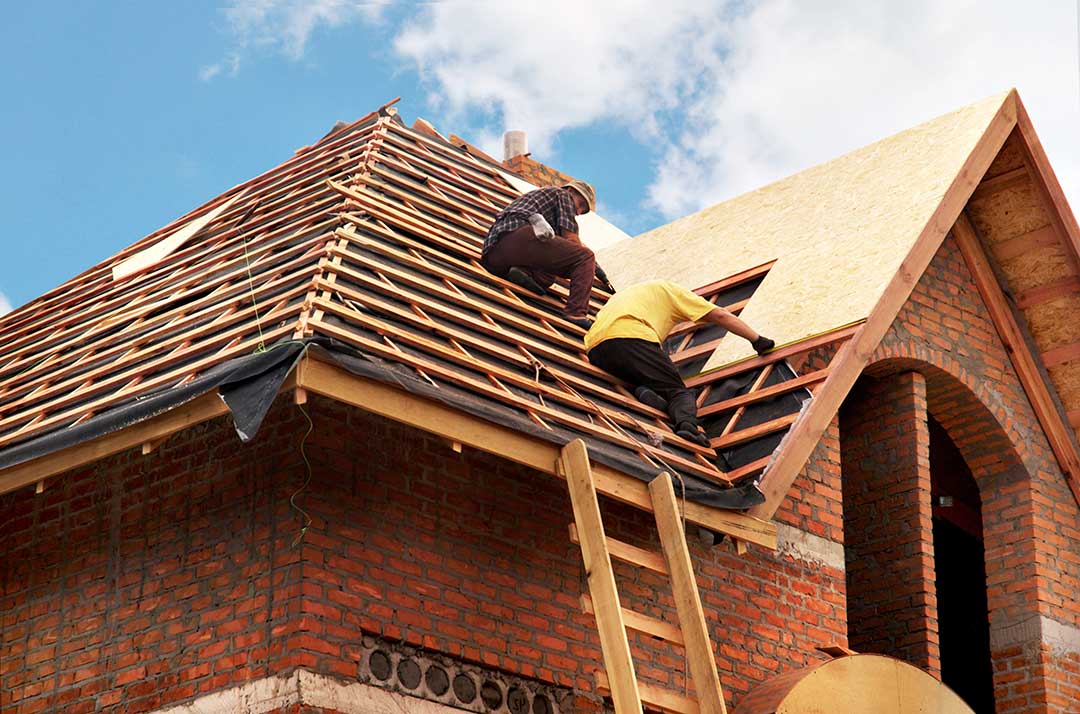
Are There Tasks Most Residents Should Avoid Doing Themselves?
Some tasks are hazardous or require specialized tools or training. Local homeowners are generally advised not to:
- Walk steep or high roofs, especially in wet or icy conditions common in the area
- Attempt repairs involving more than a few missing or damaged shingles if unfamiliar with roof layers or flashing
- Remove large ice dams manually, as this risks personal injury and roof damage
- Address major leaks without investigating potential structural or electrical hazards
For these situations, stopping further water damage from the inside (such as using buckets to catch drips) while waiting for safer weather or guidance is the wisest immediate step.
How Can Homeowners Tell If Their Roof Needs Attention After a Storm?
After wind, hail, or heavy snow events, Clinton-area roofs may show damage such as torn, missing, or buckled shingles, exposed underlayment, or debris piles. Walk the perimeter of your house and look for:
- Shingle fragments or roofing nails on the ground
- Discoloration or gouges on shingles
- Damaged ridge or hip shingles at roof peaks
Quickly addressing these visible issues helps prevent small problems from worsening as the next storm approaches.
What Misconceptions Do People Have About DIY Roof Maintenance?
Many residents believe roof care is all about repairs, but ongoing observation, minor preventative cleaning, and maintenance matter just as much. Some assume it’s safe to use strong chemicals or high-pressure hoses, but these can actually shorten shingle life.
It’s also a common mistake to wait until water is visibly leaking—by then, structural damage can already be underway. Recognizing subtle warning signs can stop bigger headaches later.
When Does Seasonal Timing Matter Most for Local Roof Upkeep?
In Clinton, planning roof maintenance around the calendar is essential:
- Late spring is best for post-winter checks and minor DIY cleaning
- Late autumn is optimal for gutter cleaning and preparing for snow accumulation
- Roof and attic checks are especially useful after major local storms
Scheduling tasks with the local seasons in mind keeps roofs in better shape throughout the year and prevents emergency repairs when conditions are worst.
