
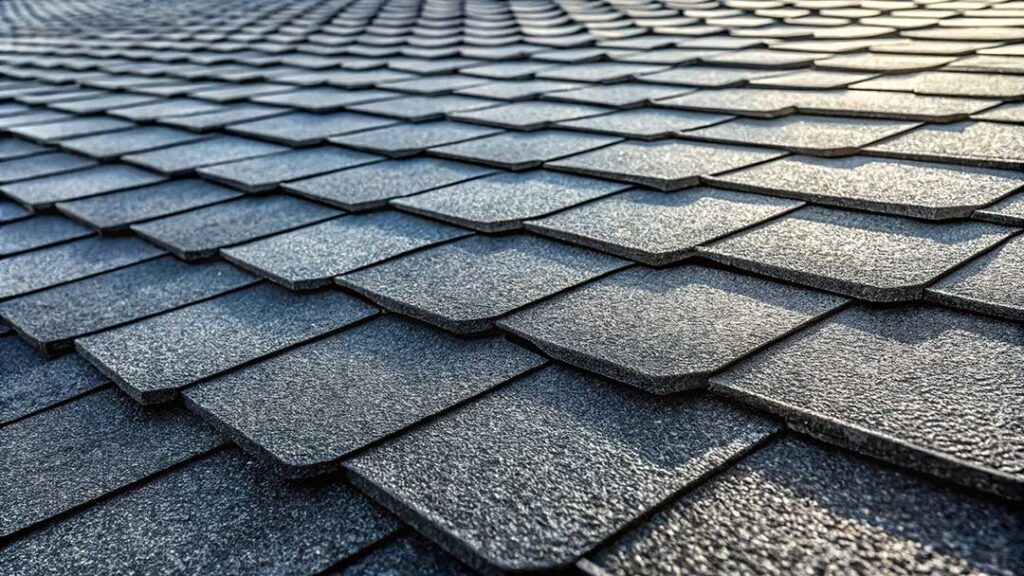
A roof does more than keep rain and snow out. Its color, materials, ventilation, insulation, and condition all influence how much energy a home uses throughout the year. In Clinton, NY, where households experience cold winters, warm summers, snow, wind, and changing moisture conditions, roof-related energy decisions should account for every season rather than focusing only on summer heat.
How does a roof affect energy efficiency?
A roof affects energy efficiency mainly by controlling heat transfer between the attic and the living space. In winter, heat naturally moves upward toward colder areas. In summer, solar energy can heat the roof surface and raise attic temperatures.
An energy-efficient roof assembly typically includes:
- Adequate insulation at the attic floor or along the roofline
- Proper air sealing around penetrations and attic access points
- Balanced ventilation
- Roofing materials suited to the home and climate
- Good control of moisture and ice-related problems
The roof covering itself is only one part of the system. A new roof may improve durability, but it will not automatically solve high heating or cooling costs if the attic lacks insulation or has significant air leakage.
Why is attic insulation often more important than roofing material?
For many homes, attic insulation has a larger effect on energy use than the visible roof surface. Heat can escape through an underinsulated attic even when the shingles are in good condition.
Common areas of heat loss include:
- Attic hatches and pull-down stairs
- Recessed light fixtures
- Plumbing and electrical penetrations
- Chimney or flue openings
- Ductwork running through the attic
- Gaps around ceiling framing and wall tops
Air sealing should generally be addressed before adding insulation. If warm, moist indoor air enters the attic through gaps, it can condense on cold surfaces and contribute to damp insulation, wood deterioration, or winter moisture problems.
For a home with an unfinished attic, insulation is commonly placed across the attic floor. If the attic is intended to be part of the conditioned living area, insulation may instead be installed along the roofline, but that approach requires careful planning for ventilation and moisture control.
What does roof ventilation do?
Roof ventilation helps manage heat and moisture in the attic. A properly designed system allows outdoor air to enter through low intake openings and leave through higher exhaust openings.
This airflow can help:
- Reduce excessive summer heat buildup
- Dry small amounts of attic moisture
- Protect roof sheathing from prolonged dampness
- Support more consistent roof temperatures during winter
Ventilation does not replace insulation or air sealing. In fact, adding exhaust vents without enough intake ventilation can create an imbalanced system that performs poorly. Blocking soffit vents with insulation is another common problem because it restricts the airflow needed to reach the upper roof vents.
Cold-climate homes also need attention to warm-air leakage. Ventilation is designed to manage attic air, not to remove large amounts of heated indoor air escaping through the ceiling.
Can roof color and material change heating or cooling costs?
Roof color and material can influence summer heat gain, but the effect depends on the entire roof assembly. Dark surfaces generally absorb more solar heat than light-colored surfaces. Reflective roofing materials can reduce heat absorption, particularly in homes with low-slope roofs or limited attic insulation.
In a cold, snowy climate, however, choosing a roof only for reflectivity may not produce a major year-round benefit. Winter heating demand is often influenced more by insulation, air leakage, windows, and heating equipment than by roof color.
Material selection should also consider durability, snow shedding, wind exposure, maintenance requirements, and compatibility with the existing structure. A roofing material that performs well in one climate or building design may not be the most suitable choice for every home in the community.
Does a new roof make a house more energy efficient?
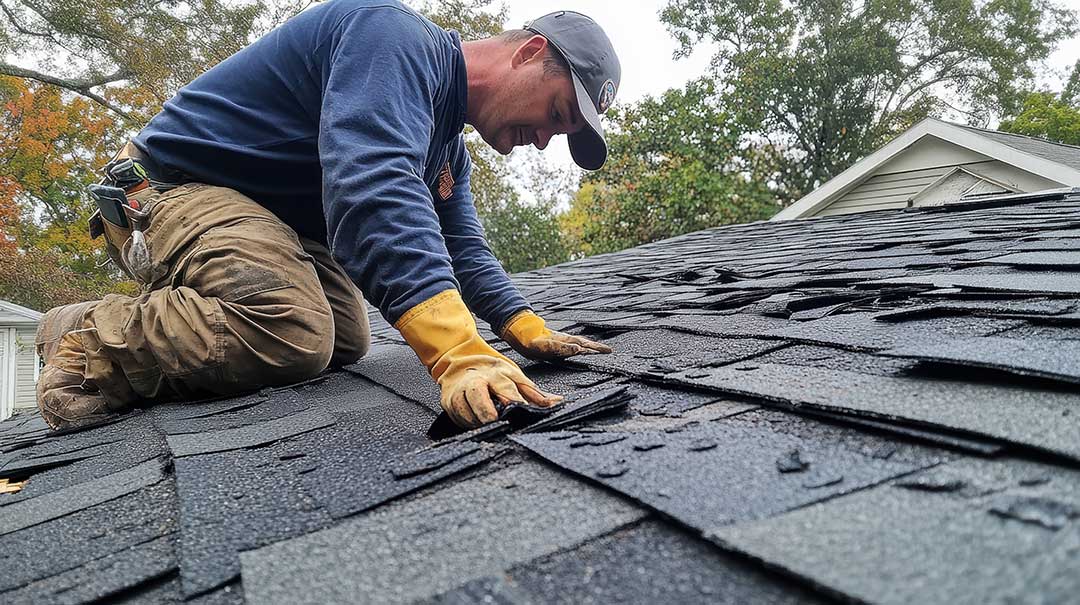
A new roof can improve energy performance when the project also addresses underlying problems such as damaged decking, missing ventilation, inadequate flashing, or poorly insulated roof sections. The shingles or panels alone usually provide limited insulation value.
A roof replacement may be an opportunity to examine:
- The condition of roof sheathing
- Ventilation at eaves and ridges
- Insulation depth and uniformity
- Air leaks around attic penetrations
- Areas where snow and ice have caused repeated damage
- Ducts or mechanical equipment located in unconditioned attic space
If energy savings are the goal, the most useful improvements may occur below the roof covering. Coordinating roof work with attic air sealing and insulation upgrades can avoid disturbing the roof system more than once.
How do snow and ice affect roof energy performance?
Snow can act as temporary insulation, but it can also expose weaknesses in the roof system. Uneven snow melting often indicates that heat is escaping from the building into the attic or that different parts of the roof have different insulation levels.
Ice dams form when heat from the attic warms portions of the roof, causing snow to melt. Water can then refreeze near colder eaves. Repeated ice dams may lead to leaks, damaged roof edges, wet insulation, and interior staining.
Reducing ice-dam risk usually involves improving the conditions that cause uneven roof temperatures:
- Seal air leaks between the home and attic
- Install adequate insulation
- Maintain clear intake ventilation
- Keep attic ductwork properly insulated and sealed
- Use appropriate flashing and water-shedding details
Removing snow from a roof can be hazardous and may damage roofing materials if done improperly. People should not climb onto a snow-covered roof without the right equipment and training.
What are signs that a roof is wasting energy?
Some signs are easy to see, while others become noticeable through changes in comfort or utility use. Possible indicators include:
- Rooms directly below the roof becoming unusually hot in summer
- Cold ceilings or drafts near attic access points
- Frost or moisture on attic nails during winter
- Large differences in snow cover across roof sections
- Icicles or ice dams that return each winter
- Insulation that appears compressed, wet, or uneven
- Heating or cooling equipment running longer than expected
These symptoms do not always point to the roof. Poor wall insulation, duct leakage, window problems, and thermostat settings can produce similar comfort issues. A whole-house evaluation is more reliable than assuming the roof is the only cause.
Which roof improvements usually provide the greatest value?
The most effective improvements depend on the home’s age, construction, and existing conditions. In many houses, the practical order is:
1. Correct active leaks and moisture problems.
2. Seal major air leaks between the house and attic.
3. Improve insulation where levels are low or uneven.
4. Confirm that soffit, ridge, gable, or other ventilation paths are functioning as intended.
5. Address ductwork and mechanical equipment located in unconditioned attic areas.
6. Consider roof materials, coatings, or replacement as part of the larger system.
Energy upgrades should not trap moisture inside the roof assembly. Adding insulation or closing ventilation paths without understanding the existing design can create new problems, especially in older homes with unusual framing or previous repairs.
How can residents assess roof-related energy problems safely?
A basic inspection from the ground can reveal missing shingles, damaged flashing, blocked gutters, or uneven snow patterns. From inside the attic, a flashlight can help identify wet insulation, daylight around penetrations, frost, mold-like staining, or gaps at the attic access.
Attic inspections require caution. Roof framing may be difficult to navigate, nails may extend through the roof deck, and insulation can conceal weak ceiling surfaces. Electrical equipment, combustion appliances, and unstable areas add further risk.
Roof or attic work may require qualified assistance when there is structural damage, an active leak, suspected electrical hazards, difficult access, or work near chimneys and other heat-producing equipment. Local building requirements may also apply when insulation, ventilation, or roof assemblies are altered.
For most homes, energy efficiency begins with the complete roof system: a weatherproof covering above, a dry and properly ventilated attic, effective insulation, and a well-sealed boundary between indoor and outdoor air.
