

Why Do Mold and Mildew Grow on Roofs in Clinton, NY?
Mold and mildew growth is a common concern for many area households, especially with the region’s mix of humid summers, regular rain, and long winters. Mold and mildew are types of fungi that thrive in damp, shaded, or poorly ventilated areas, which occur more frequently on roofs in places with heavy tree cover and variable moisture.
Homes in Clinton are surrounded by mature trees and encounter significant seasonal change. Shady portions of a roof that remain damp after rain or snowmelt present ideal conditions for fungal growth, especially if organic debris like leaves or twigs aren’t regularly removed.
What Do Mold and Mildew on Roofs Look Like?
Mold and mildew are not always easy to spot until the problem becomes noticeable. Residents often confuse their appearance with dirt, algae, or roof weathering.
- Mold typically appears as irregular black, dark green, or even bluish patches. These patches can feel somewhat fuzzy or slimy to the touch, but climbing on a roof is not recommended to examine it up close.
- Mildew generally looks lighter—frequently gray, white, or light brown—and starts as flat, powdery or chalky spots. Mildew can spread in streaks or clusters.
Both mold and mildew often develop on the northern sides of roofs in the city where sun exposure is lowest, but growth can occur anywhere moisture lingers.
Are There Common Signs That Mold or Mildew Is Present?
Homeowners usually first notice:
- Discolored streaks, patches, or blotches, especially after a wet season.
- A musty or earthy odor around the attic or eaves, sometimes noticeable indoors.
- Black or green staining beneath downspouts or in roof valleys where water collects.
- Rapid discoloration of roof shingles with no apparent mechanical damage.
A widespread misconception is that all roof stains mean mold. Algae and dirt often cause similar discoloration, but algae typically leaves slimy, consistent green streaks rather than blotchy patches.
What Causes Mold and Mildew to Take Hold Locally?
Several factors make Clinton’s roofs susceptible:
- Tree coverage: Overhanging branches shade roofs, reducing drying from sun and trapping moisture with fallen debris.
- Climate: Prolonged wet or humid stretches in spring and summer allow spores to settle and begin growing.
- Ventilation: Older homes in the area may have less effective attic ventilation, increasing interior moisture that can migrate up to roof decking.
- Gutter Issues: Clogged or poorly draining gutters allow water to back up, soaking nearby shingles.
Regularly checking the roof, especially after storms or snowmelt, can help area households identify mold or mildew before it spreads.
How Can Residents Tell the Difference Between Mold, Mildew, and Other Roof Growths?
The following tips can help:
- Algae: Forms thin, greenish-black streaks, most often on asphalt shingles.
- Lichen: Looks like small, crusty, patchy outgrowths, often with a green-gray or blue-green appearance, and can feel hard or scaly.
- Moss: Grows in thick, sponge-like tufts and is bright green when moist.
Mold and mildew, by contrast, lack the consistent tufting of moss or the tough crust of lichen. Both spread as stains or powdery patches. If stains look fuzzy or powdery rather than streaky, and they persist in shaded or constantly wet areas, fungi are most likely the culprit.
How Serious Is Mold and Mildew on a Roof in the Community?
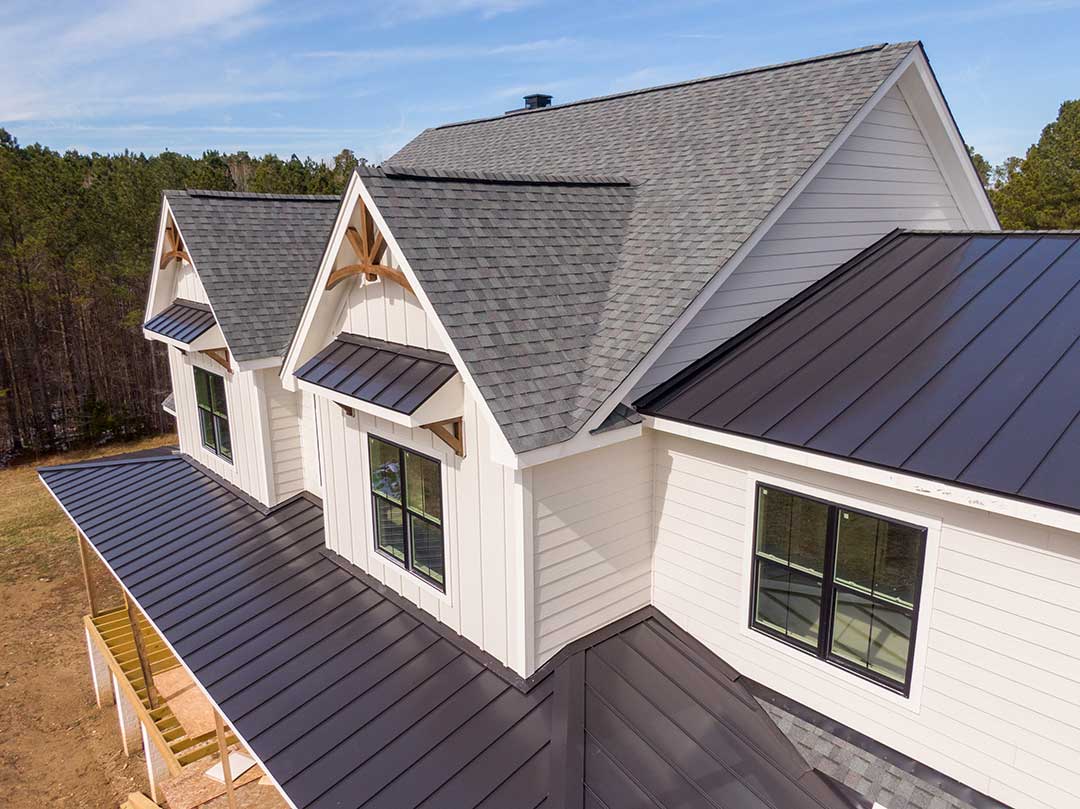
Identifying mold or mildew early can help preserve a roof’s lifespan. Both can:
- Deteriorate shingles, especially asphalt or wood, leading to leaks.
- Contribute to the gradual breakdown of roof structures by trapping moisture.
- Cause indoor air quality issues if growth makes its way into attics or upper floors.
In Clinton’s climate, ignoring mold or mildew over multiple seasons often results in more expensive repairs down the line. Catching patches early can help homeowners address moisture problems and prolong roof life.
When Should Residents Worry About Safety?
Most roof mold is not immediately dangerous, but widespread, persistent fungal growth can release spores into attic spaces and living areas, aggravating allergies or respiratory problems—especially for children, elders, or those with asthma.
If mold spreads into interior attic structures, or if there is any suspicion of black mold (Stachybotrys), safe assessment is best left to those with proper equipment and training to avoid exposure.
What Should Homeowners Do If They Find Mold or Mildew?
Small, accessible patches on lower roof areas can often be removed carefully with diluted white vinegar or oxygen bleach—not chlorine bleach, which can damage roofing material. Shady spots and overhanging branches should be monitored, and gutters kept clean to reduce moisture build-up.
Residents are discouraged from climbing on steep or high roofs for inspection due to fall hazards common with wet or slick surfaces. Use binoculars from the ground or view the undersides of eaves.
If mold or mildew appears extensive or recurs after cleaning, it may signal a deeper moisture or ventilation problem that requires further investigation, such as by checking attic airflow or looking for leaks.
Are There Ways to Prevent Future Growth?
Key practices include:
- Cleaning leaves, twigs, and other debris from the roof and gutters at least twice per year, especially after fall and spring.
- Pruning back overhanging branches to let the sun reach the roof.
- Checking attic and roof ventilation so moist air exits the house properly.
- Inspecting roof shingles regularly for signs of water pooling or persistent dampness.
Understanding these local factors and keeping an eye out for suspicious stains helps area homeowners maintain safer, longer-lasting roofs through changing seasons.
