
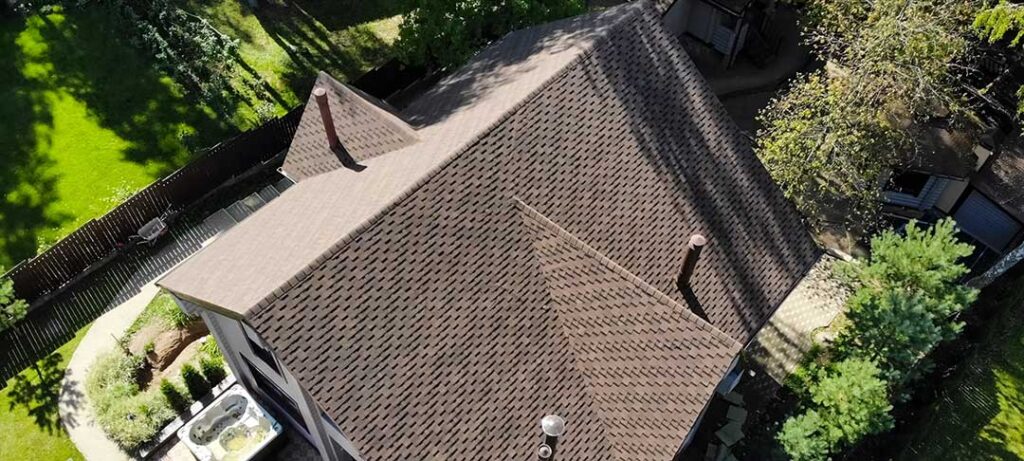
A professional roof inspection is a structured evaluation of the roof system, not simply a quick glance at the shingles. The inspector examines visible roofing materials, drainage components, flashing, ventilation, and areas where moisture or storm damage may develop.
For homeowners in Clinton, an inspection can be especially useful after winter weather, strong wind, heavy rain, or repeated freeze-thaw cycles. It can also clarify whether a roof needs immediate repair, routine maintenance, or continued observation.
What happens before the inspection begins?
The inspection usually starts with a conversation about the home’s history and any concerns noticed by the occupants. This background helps focus attention on areas that may require closer review.
An inspector may ask about:
- The approximate age of the roof
- Previous repairs or replacements
- Leaks, stains, drafts, or unusual odors
- Recent wind, ice, snow, or hail exposure
- Attic moisture or condensation
- Changes in heating or cooling costs
- Any roofing work completed by previous owners
The inspector may also ask when a problem first appeared and whether it changes during rain, snow, or periods of extreme temperature. A ceiling stain, for example, may not align directly with the point where water enters the roof. Water can travel along framing, insulation, or roof decking before becoming visible indoors.
Does the inspector walk on the roof?
Often, but not always. A roof may be examined from its surface, from a ladder, from the ground, and from accessible attic spaces. Walking on the roof is avoided when conditions are unsafe or when doing so could damage fragile materials.
Factors that may limit roof access include:
- Ice, snow, frost, or wet surfaces
- Steep slopes
- Brittle or deteriorated shingles
- Unstable roof sections
- Excessive height
- Nearby electrical hazards
- Poor visibility or strong wind
A careful inspection does not depend on walking every square foot. Ground-level views, binoculars, attic observations, ladder access, and close visual examination can reveal many conditions without creating unnecessary risk.
What exterior roof components are examined?
The inspector evaluates the roof as a connected system. Shingles or other surface materials receive attention, but they are only one part of the assessment.
The exterior review may include:
- Missing, cracked, curled, blistered, or lifted shingles
- Exposed fasteners or loose roofing materials
- Damaged ridge caps and roof edges
- Valleys where two roof sections meet
- Flashing around chimneys, walls, vents, and skylights
- Pipe boots and other roof penetrations
- Gutters, downspouts, and drainage paths
- Sagging areas or uneven roof lines
- Moss, algae, or debris accumulation
- Signs of wind uplift or impact damage
In the local climate, repeated freezing and thawing can expand small openings and place stress on flashing, sealants, and roofing materials. Snow and ice may also conceal damage temporarily, which is why an inspection during clear, safe conditions may provide a more complete picture.
What does the attic inspection reveal?
The attic often provides evidence that cannot be seen from outside. Inspectors look for signs of water entry, poor ventilation, and changes in the roof structure.
Typical attic observations include:
- Dark stains on roof decking or framing
- Damp or compressed insulation
- Mold-like growth caused by persistent moisture
- Rusted nails or fasteners
- Daylight visible through the roof
- Frost or condensation on cold surfaces
- Blocked soffit or ridge ventilation
- Sagging or weakened decking
- Evidence of animals or insects entering through roof openings
A roof can appear sound from the ground while still allowing small amounts of moisture into the attic. Conversely, attic condensation may create stains that resemble a roof leak even when the roofing material is not the source. Distinguishing between a plumbing issue, ventilation problem, and roof leak is an important part of the evaluation.
How are leaks located?
Finding the source of a leak can be more complicated than finding the interior stain. Inspectors trace moisture patterns through the attic and compare them with roof features above.
Water may enter near a flashing joint, travel along a rafter, and appear several feet away from the original opening. A roof inspection may therefore examine areas upslope from the visible damage, as well as valleys, penetrations, and edges where water can collect.
If active leaking is not occurring during the inspection, the source may remain uncertain. In that situation, the report may identify likely entry points and recommend monitoring or additional testing rather than claiming more certainty than the evidence supports.
Will the inspection identify structural problems?
A roof inspection can reveal visible signs of structural concern, but it is not always a complete structural engineering evaluation. The inspector may note sagging, soft decking, displaced framing, or evidence that roof loads are not being carried properly.
Structural concerns can develop from long-term moisture exposure, inadequate ventilation, heavy snow, aging materials, or previous alterations. A recommendation for additional evaluation does not automatically mean the entire roof is unsafe. It means the visible evidence requires a more specialized assessment before a reliable conclusion can be made.
What should be included in the inspection report?
A useful report explains observations in plain language and separates urgent conditions from routine maintenance. Photographs are often included to show damaged materials, problem areas, or conditions that are difficult to see from the ground.
The report may describe:
- The general condition of the roof system
- Areas requiring prompt attention
- Conditions that can be monitored
- Estimated remaining service life, if it can be reasonably assessed
- Evidence of previous repairs
- Drainage and ventilation concerns
- Interior or attic findings
- Limitations caused by weather, access, or visibility
Remaining service life is an estimate, not a guarantee. A roof’s future performance depends on installation quality, material condition, weather exposure, ventilation, maintenance, and the severity of any hidden damage.
What is not usually part of a standard roof inspection?
A standard inspection generally does not include destructive testing, removal of shingles, laboratory analysis, or a guarantee that the roof will not leak. It may also exclude concealed areas, inaccessible attic spaces, underground drainage, or components unrelated to the roof system.
An inspection is different from a repair estimate, insurance claim determination, or building-code review. Those activities may require separate information, documentation, or specialized qualifications.
When should a roof inspection be considered?
An inspection is reasonable after a significant storm, especially if shingles, flashing, gutters, or nearby trees may have been affected. It may also be useful when buying or selling a home, before planning interior renovations, or when an older roof begins showing scattered signs of wear.
Warning signs that deserve attention include:
- Water stains on ceilings or upper walls
- Damp attic insulation
- Missing or displaced shingles
- Granules collecting in gutters
- Persistent roof or attic odors
- Visible daylight in the attic
- Sagging roof lines
- Repeated leaks in the same area
A roof inspection cannot prevent every problem, but it can clarify what is visible, what remains uncertain, and which conditions deserve priority. For area households, that distinction is valuable because winter damage, summer storms, and gradual aging may affect different parts of the roof at different times.
