
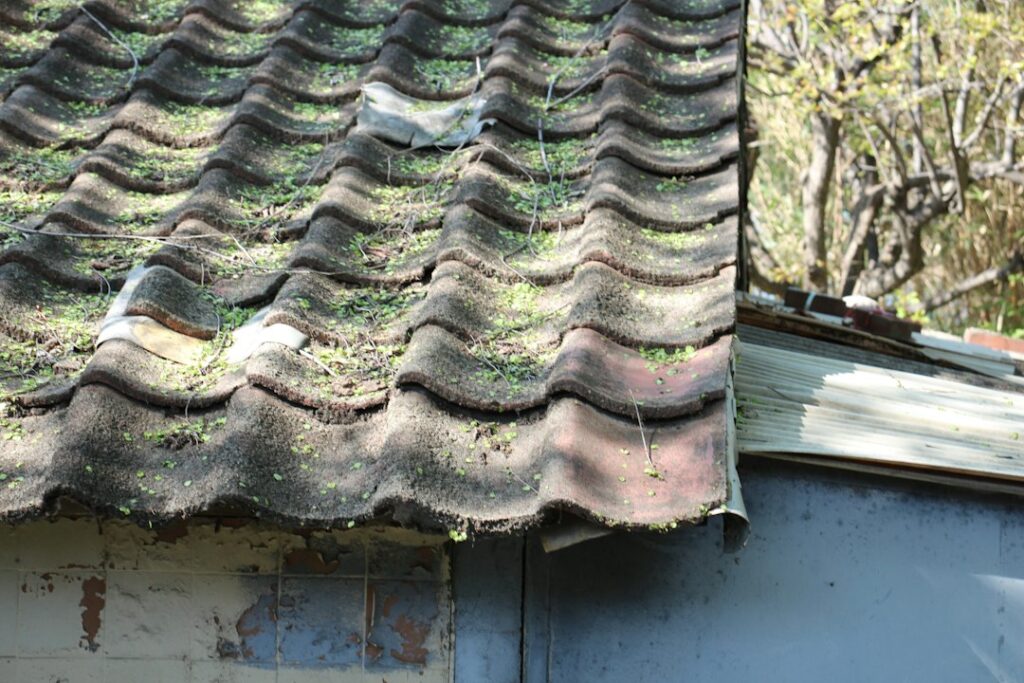
Hurricane season can affect roofs far beyond the coast. In Clinton, NY, tropical systems may arrive as weakened storms, but their remnants can still bring strong gusts, prolonged rain, falling branches, and saturated ground. Preparing the roof before a storm is less about making it hurricane-proof and more about correcting weak points before wind and water expose them.
The Atlantic hurricane season officially runs from June 1 through November 30. Roof preparation is most useful before a forecast appears, when inspections, repairs, and material purchases can be handled safely.
What should be checked first?
Start with a ground-level inspection, then examine accessible areas from a safe location. Do not climb onto a wet, steep, damaged, or moss-covered roof.
Look for:
- Missing, cracked, curled, or lifted shingles
- Exposed fasteners or roofing underlayment
- Damaged flashing around chimneys, vents, skylights, and wall intersections
- Sagging roof lines or areas that appear uneven
- Loose gutters, downspouts, drip edges, or fascia
- Tree limbs touching or hanging over the roof
- Granules collecting heavily in gutters or at the ends of downspouts
- Water stains on ceilings, upper walls, or attic insulation
A few loose shingles can become a larger opening during wind-driven rain. Small flashing defects may also allow water to enter around chimneys and roof penetrations even when the main roofing surface appears intact.
How can loose shingles and flashing be secured?
Roof coverings are most vulnerable at edges, corners, ridges, and transition points. Wind pressure is often strongest where the roof meets a gable wall, eave, rake edge, or roofline change.
Before storm season, check whether shingles lie flat and whether tabs have separated from the adhesive strip. Do not rely on surface sealant as a substitute for proper fastening. Roofing cement applied over a damaged area may provide temporary protection, but it does not correct missing fasteners, deteriorated decking, or defective flashing.
Flashing deserves special attention because it directs water away from openings. Examine the metal or membrane around:
- Chimneys
- Plumbing vents
- Bathroom and kitchen exhaust vents
- Skylights
- Dormers
- Valleys
- Roof-to-wall intersections
If flashing is bent, rusted through, separated, or pulling away from the structure, it may need more than caulking. Repairs involving steep slopes, chimney work, or unstable materials should be left to someone equipped to work safely.
Why do gutters and downspouts matter during a hurricane?
Clean, secure drainage helps keep heavy rain away from the roof edge, siding, foundation, and basement. Clogged gutters can overflow beneath shingles or behind fascia, while loose sections may detach in high winds.
Before the season:
- Remove leaves, needles, and roof granules from gutters.
- Confirm that downspouts are firmly connected.
- Make sure water discharges away from the foundation.
- Check that extensions have not shifted or become blocked.
- Tighten or replace loose gutter hangers.
- Look for sagging sections that hold standing water.
In Clinton, seasonal leaf fall and winter wear can leave drainage systems partially blocked before summer storms begin. A gutter that worked adequately during ordinary rain may overflow during several hours of intense rainfall.
Should trees near the house be part of roof preparation?
Yes. Branches can puncture shingles, damage flashing, block gutters, and fall across the roof during gusts. Trees do not need to be directly over the house to create a risk; limbs can swing into roof edges, dormers, porches, and utility connections.
From the ground, look for:
- Dead branches
- Cracked or hanging limbs
- Branches resting on the roof
- Trees leaning toward the house
- Limbs rubbing against shingles or gutters
- Heavy growth that blocks roof drainage
Do not cut large, elevated, or tensioned limbs without the proper equipment and experience. Storm preparation should not create a fall or electrical hazard.

What should be checked in the attic?
The attic can reveal problems that are difficult to see from outside. On a dry day, inspect the underside of the roof deck for dark stains, damp insulation, daylight, rusted fasteners, or evidence of previous leaks.
Also check whether attic ventilation openings are blocked. Proper ventilation helps manage heat and moisture, but vents must remain securely attached and protected from wind-driven rain. Loose screens, damaged vent covers, and deteriorated seals can allow water or debris into the attic.
A flashlight is useful, but never step directly on attic insulation or unsupported ceiling material. Walk only on solid framing or a properly installed attic surface.
Does roof age determine storm readiness?
Age matters, but condition matters more. A relatively new roof with poor flashing, loose edge materials, or damaged gutters may perform worse than an older roof that has been well maintained.
Review any available records for:
- Installation date
- Previous repairs
- Warranty information
- Known leaks
- Wind or storm damage
- Insurance documentation
If the roof is near the end of its expected service life, storm preparation may require more than replacing a few shingles. Widespread granule loss, recurring leaks, brittle roofing material, or visible deck damage can indicate that patching will not address the underlying risk.
What should homeowners do when a storm is approaching?
Once strong winds or tropical-storm conditions are expected, roof work should stop. Do not climb onto the roof, inspect gutters, remove branches, or make exterior repairs in rain or wind.
Instead:
- Bring patio furniture, decorations, planters, and loose tools indoors.
- Secure items that cannot be moved.
- Park vehicles away from trees when possible.
- Photograph the roof and exterior before the storm if it can be done safely.
- Keep flashlights, batteries, chargers, and emergency supplies accessible.
- Know how to shut off utilities if instructed.
- Monitor official weather and emergency alerts.
Temporary coverings should be installed only when conditions are safe and the material can be secured without creating additional damage. A loose tarp can become airborne and may tear shingles or gutters away.
What should be done after the storm?
Wait until winds and lightning have passed before checking the property. Look from the ground for missing materials, sagging roof sections, fallen branches, detached gutters, and new water stains.
If water is entering the home, place containers under active drips and move belongings away from the area if safe. Avoid electrical fixtures or outlets near water. Do not enter attic spaces with visible structural damage, standing water, or exposed wiring.
Document damage with photographs, but avoid disturbing debris until it is safe. A roof with major damage, an exposed interior, or an unstable tree requires caution rather than an immediate climb for closer inspection.
Preparing a roof for hurricane season is mainly a process of finding weak points early: damaged shingles, failed flashing, blocked drainage, vulnerable trees, and signs of attic moisture. Those checks are useful not only for tropical systems but also for the high winds and heavy rain that can accompany ordinary summer and autumn storms in the region.
